How to Introduce Allergens to Your Baby
An important reminder:
This post and anything on this website is for educational purposes only. It should not be used as medical advice or in place of or to delay seeking medical attention. Every child is different and has different needs. Your child’s provider can help you figure out the best management plan for your specific situation.
The world of starting solids can feel overwhelming. There is so much information out there it’s hard to decipher what is FOR YOU and can sometimes leave us feeling “are we doing this right?”. Allergen introduction is one I often see many parents overwhelmed by. They know they are suppose to introduce them, but have been so feared into the “what ifs” of a reaction they have so much anxiety around the idea of doing it.
Take a breath. Because what the research actually says might completely surprise you.
Introducing allergens early — and keeping them in rotation — is one of the most powerful things you can do to prevent a food allergy. Not cause one. Prevent one. And the evidence behind this is solid enough that it literally changed feeding guidelines around the world. AND majority of kids (actually less than 10%) will have a severe allergic reaction to foods. So it’s not as common as social media makes it out to be…… Which I hope gives you some relief about getting starting with solids and allergens.
Since the risk is still there, let me walk you through everything: when to start, how to actually do it, what to watch for, and what to do if something doesn't go the way you hoped.
Why you’ve started hearing “early introduction”
For a long time, the advice was to delay the "scary" foods — especially peanuts — until well after your baby's first birthday.
Food allergies in children rose by 50% between 1997 and 2011 — roughly the same window of time when delayed introduction was being widely recommended.
In 2015, a landmark study called the LEAP Trial (Learning Early About Peanut Allergy) changed how we approach allergen introduction for babies and kids. Researchers found that introducing peanuts to high-risk babies between 4 and 11 months of age reduced their risk of developing a peanut allergy by up to 81%. Follow-up data tracked those same kids into adolescence and found the protection lasted.
The research has kept building since. A 2025 study published in Pediatrics looked at real-world data from over 120,000 children across multiple states. Their finding: following the updated early introduction guidelines, peanut allergy diagnoses in children under age 3 dropped by 43%, and food allergies overall — including milk, egg, and tree nuts — dropped by 36%.
Current guidelines from the American Academy of Pediatrics (AAP) and the National Institute of Allergy and Infectious Diseases (NIAID) recommend introducing peanuts, eggs, and other major allergens starting around 4 to 6 months — for all babies, not just high-risk ones (AAP, 2019).
When should you start?
For most babies, allergen introduction begins around 6 months, alongside the start of solid foods, once they're showing signs of developmental readiness.
Signs of readiness include
sitting up with minimal support
good head and neck control
showing interest in food (watching you eat, reaching toward it).
If your baby is considered higher risk, your pediatrician may recommend starting even earlier, around 4 months, with close guidance. Higher risk means:
Your baby has moderate to severe eczema
your baby has already reacted to a food
or there is a strong family history of food allergies — a parent or sibling with a known allergy.
If any of those apply, please loop in your pediatrician or a pediatric allergist before you start at home. They may recommend allergy testing first, or they may want to supervise the first introduction in a clinical setting. This is not a reason to panic, it's just a reason to have that conversation before you dive in. For most babies, though, home introduction is completely appropriate.
The Top nine allergens
In the United States, the nine major food allergens (often called the "Big Nine") are
Peanuts
tree nuts (almonds, cashews, walnuts, pistachios, etc.)
cow's milk and dairy, eggs
Wheat
Fish
Shellfish
Soy
Sesame
The goal is to introduce all of these one at a time.
How to Introduce?
Start with a few safe foods first. Before jumping into high-allergen foods, let your baby get comfortable with a few lower-risk options — pureed sweet potato, avocado, soft cooked vegetables, pureed meats, etc. This gives them a chance to get the hang of eating before you add the allergen piece.
One allergen at a time. Introduce one new allergen at a time. You can absolutely still be introducing other new non-allergenic foods — fruits, vegetables, meats — during the same time period. You're just not introducing multiple common allergens on the same day. If your baby has a reaction and you introduced three new allergens at once, you're back at square one trying to figure out which one caused it.
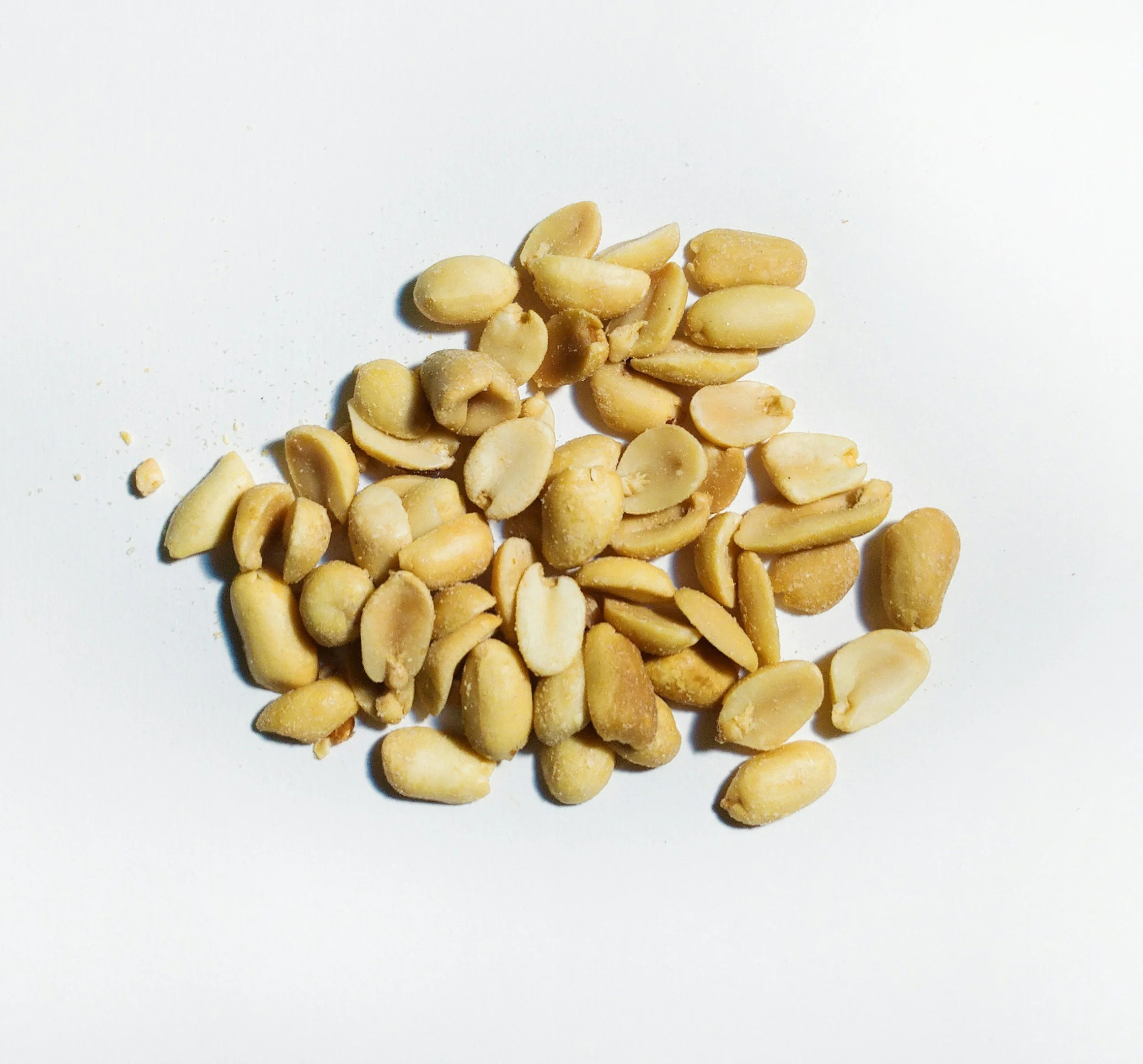
Start small. We're talking a literal tip of a spoon — about 1/8 teaspoon of a thinned nut butter or a tiny bit of egg. Watch for 5 minutes for signs of reaction, If they tolerate it well, you can gradually increase the amount over subsequent servings.
Offer it in the morning, at home. Introduce new allergens at home (not at daycare), earlier in the day, when you have several undistracted hours to observe and access to your pediatrician should you need them. Most allergic reactions to food happen within 5 to 120 minutes of ingestion, so starting earlier in the day gives you time to watch closely and reach your pediatrician if anything comes up.
Wait before introducing the next allergen. Allow 48 hours between each new allergen introduction. This gives you a clear window to identify a reaction if one occurs.
Also important: don't start allergen introduction on a day when your baby is sick. Symptoms of illness can overlap with symptoms of a reaction and make it really hard to tell what's happening.
Keep them in the rotation. This is the piece that gets skipped most often. Introducing a food once and never offering it again is not enough. The immune system needs regular, consistent exposure to build and maintain tolerance. Once an allergen has been safely introduced, aim to offer it at least 2 to 4 times per week.
Pro Tip
And here is something important to understand: a reaction doesn't always happen on the first exposure. The immune system is still learning during those early months. Most reactions happen on subsequent exposures — not always the first one. This is exactly why consistency matters. Regular, ongoing exposure is what keeps the immune system familiar with that food and reduces the risk of future sensitivity.
Bonus Tip:
Watch this video on introducing peanut butter, it really is more simple than you think! WATCH HERE
What to watch for
Most babies will handle allergen introduction without any issues at all. But knowing what a reaction looks like before you start means you're not Googling it in a panic while holding your baby.
Signs of a mild reaction (ONE symptom at a time):
A few isolated hives around the mouth or on the body
an itchy or runny nose
itchy mouth
mild nausea, or a single episode of vomiting.
If you see a mild reaction: stop the food, watch your baby closely, and call your pediatrician. Reactions can progress, so don't just watch and wait on your own without looping in your provider. A mild reaction on the first exposure may be your baby’s body sending warning signals of “hey, we don’t like that food, don’t serve it again”. And their next reaction may not be as mild, which is why it’s important to loop in your pediatrician for next steps.
Signs of a severe reaction — call 911 immediately:
Difficulty breathing
Wheezing or high pitched breathing noises
a repetitive cough
Swelling of the face, lips, or tongue.
Widespread hives across the body.
Pale or bluish skin.
Repetitive vomiting.
Sudden limpness or unresponsiveness.
More than one symptom happening at the same time = treat as severe. Don't wait.
One thing that trips parents up: a red, blotchy rash right around the mouth from acidic foods like tomatoes or citrus is usually a contact reaction — not an allergic one. It's caused by the acidity touching the skin and will typically fade within about 10 to 15 minutes of wiping their face. A true allergic reaction usually involves hives that spread beyond the point of contact and often comes with other symptoms.
Your go-to resource for what to keep on hand to confidently care for your baby, child, and whole family through sick days, emergencies, and every day care!
A note to the Food ALlergy Parents
I am one of them too. I want to say this out loud, because I think parents need to hear it. I introduced allergens early. I followed the guidance. I did everything “right”. My daughter still has a food allergy. Peanuts, cashews, and pistachios.
If that's you — it is not your fault. Early introduction reduces risk, significantly. But it is not a guarantee, and some children will develop allergies regardless of what we do. That is NOT your fault.
If your child has been diagnosed with a food allergy, the next step is working with your pediatrician or a pediatric allergist to understand how to manage it safely. And I promise you, with the right knowledge and preparation, food allergy families absolutely thrive. It takes a minute to find your groove and find the right substitutions but you will get there!
Before You Start: A Quick Checklist
Start when your baby is ready to start solids (follow their signs of readiness, usually around 6 months)
Review the top 9 allergens and pick one to start with. Wait 2-3 days before introducing a new one. Keep track of which ones you have introduced and keep them in the rotation once tolerated.
Review the signs of an allergic reaction (section above) before the first introduction
Don't start on a sick day. Don't introduce a new allergen right before leaving the house.
And have a plan — know who you'll call and what you'll do if a reaction happens.
Ready to Feel Truly Prepared?
Allergen introduction is one piece of a much bigger starting-solids picture — and it's one of the things I cover in depth in our Safe Start to Solids course. We cover developmental readiness, how to introduce textures, gagging versus choking, allergen introduction, and building a feeding routine that actually works for your family. Learn more about the Safe Start to Solids course here.
If you are looking for hands-on training for all the “what-ifs,” our Baby CPR and First Aid Course is for you! We give you the confidence to know what is an emergency, what you (YES, YOU) can manage at home, how to do so, and when to seek care. Learn more here.
Just want to stay in the loop: Join the Bite Sized Bits Newsletter below for practical pediatric tips delivered to your inbox — no overwhelm, just the things that actually matter.
Hi, I'm Cierra — a pediatric nurse practitioner, mom of three, and the founder of Bite Sized Peds. I help families feel genuinely confident in caring for their babies and kids, from first bites to first aid and everything in between.
-
Medical/General: The content, information, opinions, and suggestions listed here have been created with typically developing children and babies in mind. The information here is generalized for a broad audience. The information here should by no means be used as a substitute for medical advice or for any circumstance be used in place of emergency services. Your child is an individual and may have needs or considerations beyond generally accepted practices. If your child has underlying medical or developmental differences, including but not limited to prematurity, developmental delay, sensory processing differences, gastrointestinal differences, cardiopulmonary disease processes, or neurological differences, we strongly recommend you discuss your child's plan with the child's doctor, health care provider. By accessing this site and the information in it, you acknowledge and agree that you are accepting responsibility for your child’s health and well-being. By using and accepting the information on this site, the author (Cierra Crowley) is not responsible for any adverse effects or consequences resulting from the use of any suggestions discussed. It is important to talk to your child’s pediatrician or medical provider to start anything new or make any changes.
Affiliation: this page contains affiliate links from which I can earn small commissions (at no additional cost to you).
-
American Academy of Pediatrics. (2019). Guidance on introducing peanut-containing foods to infants to prevent peanut allergy. HealthyChildren.org. https://www.healthychildren.org/English/ages-stages/baby/feeding-nutrition/Pages/Peanut-Allergy-Prevention.aspx
Du Toit, G., Sayre, P. H., Roberts, G., Sever, M. L., Lawson, K., Bahnson, H. T., ... & Lack, G. (2016). Effect of avoidance on peanut allergy after early peanut consumption. New England Journal of Medicine, 374(15), 1435–1443. https://doi.org/10.1056/NEJMoa1514209
Gabryszewski, S. J., Shankar, S., Traister, R., Bhatt, D., Graham, D., DeKlotz, C., & Brown-Whitehorn, T. (2025). Real-world impact of early peanut introduction guidelines on food allergy diagnoses. Pediatrics. PMID: 41110838. https://publications.aap.org/pediatrics
Gupta, R. S., Springston, E. E., Warrier, M. R., Smith, B., Kumar, R., Pongracic, J., & Holl, J. L. (2011). The prevalence, severity, and distribution of childhood food allergy in the United States. Pediatrics, 128(1), e9–e17. https://doi.org/10.1542/peds.2011-0204
Lack, G. (2008). Epidemiologic risks for food allergy. Journal of Allergy and Clinical Immunology, 121(6), 1331–1336. https://doi.org/10.1016/j.jaci.2008.04.032